
stroydom.ge
Updated:
Once you sign the handover act, every defect becomes your problem, not the developer’s. The difference between signing without a look and walking through with a checklist is often tens of thousands of GEL in future repairs for work that should have been done to the design in the first place.
Why this is not the same as accepting a renovation
Accepting a house from a developer checks not the finish but what is hidden behind it: whether the structure matches the design, the quality of the concrete work, the building services, and the paperwork on the build. Mistakes here are more expensive: redoing the foundation or rerouting the utilities after you move in is an order of magnitude harder than repainting a wall.
What to check in the structure
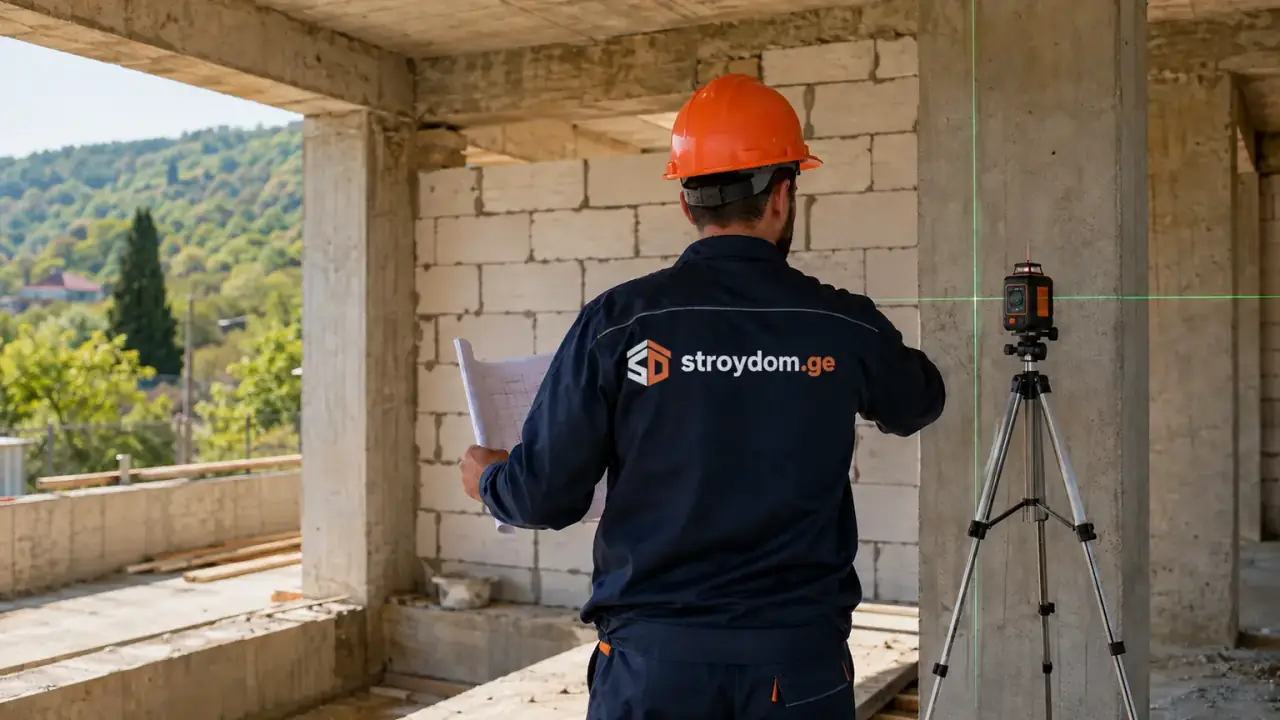
- Whether the actual area and layout match the design documentation.
- Cracks in walls, ceilings, and at slab joints, especially in corners and above openings.
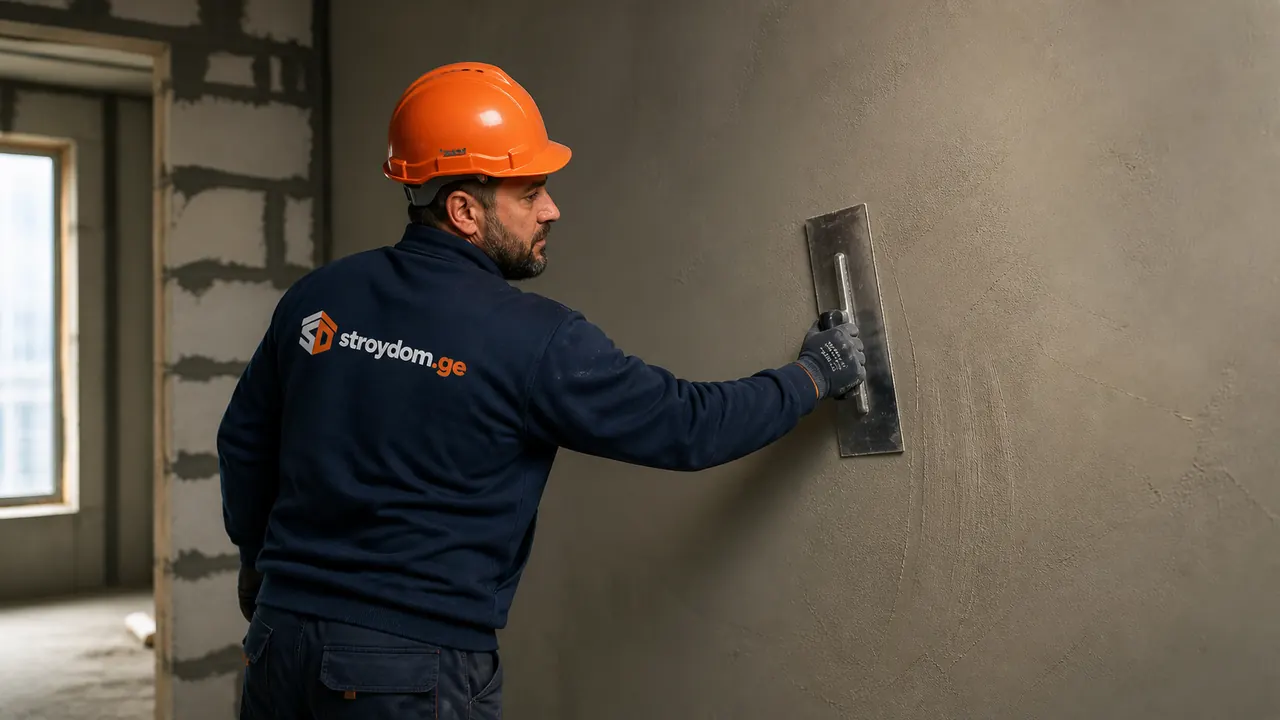
- Wall and floor flatness against a straightedge: deviations beyond the norm mean a bill for levelling later.
- Joints between blocks and panels, and stains from leaks on the ceiling of the floor above.
- Roof and balcony waterproofing: ask to see the hidden-works acts rather than taking someone’s word for it.
What to check in the building services
- The electrical panel: labelled circuits, breakers grouped correctly, matching the design.
- Outlets and switches under load in every room, not a sample of them.
- Water pressure and drainage at every point at the same time, not one by one.
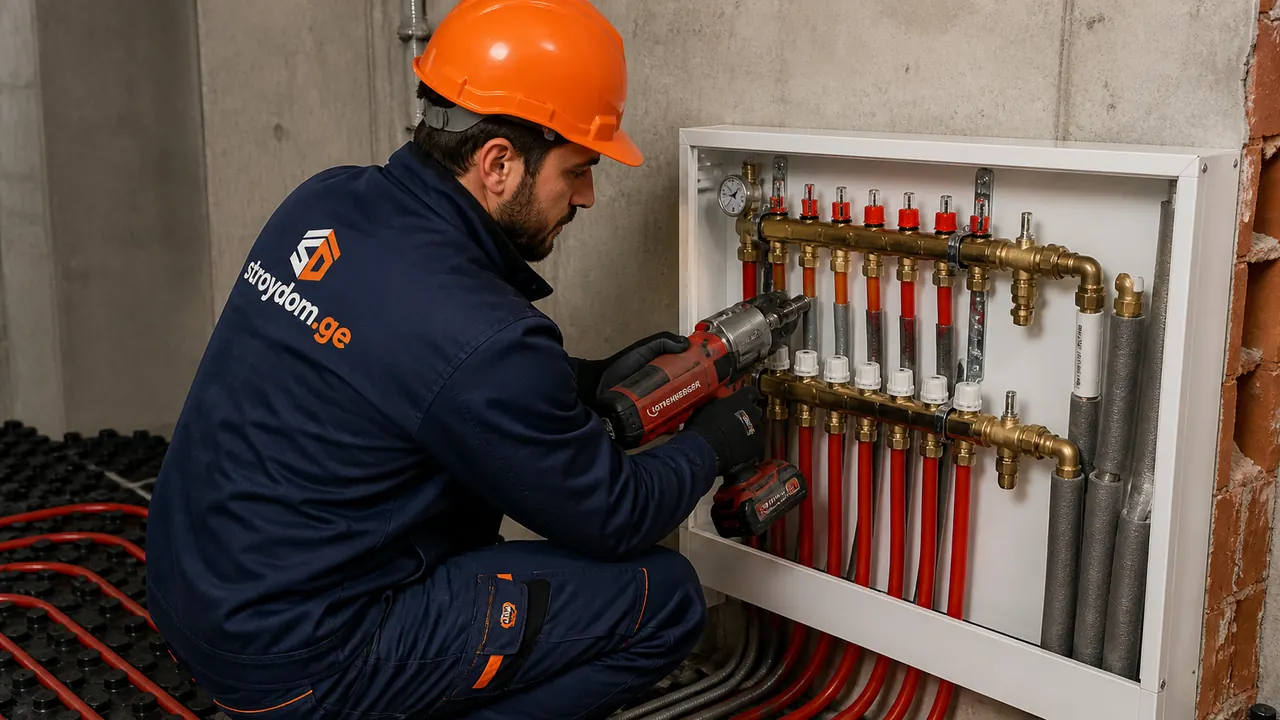
- Heating: warm-up across every radiator or underfloor loop.
- Ventilation: test draw with a lit match or a sheet of paper at the grille.
Documents you need to receive
The object’s technical passport, the occupancy permit, the developer’s warranty obligations on the structure and building services, and the wiring and pipe-routing diagrams. Without them, any future renovation turns into guessing where the lines run.
If you find defects
Record every item in writing in a defect list with photos and a deadline for fixing it. A developer’s verbal promise carries no weight once the act is signed. Do not sign the act before significant defects are fixed: structural faults, leaks, systems that do not work.
If assessing the structure and building services yourself is hard, that is what technical supervision is for: an engineer visits the site before you sign the act and gives a written report with a defect list. It is the same principle we apply when we build houses ourselves: verify and record, don’t take anyone’s word for it.
Need an estimate for your project?
Send a request — we will prepare an estimate and answer your questions.