stroydom.ge
Updated:
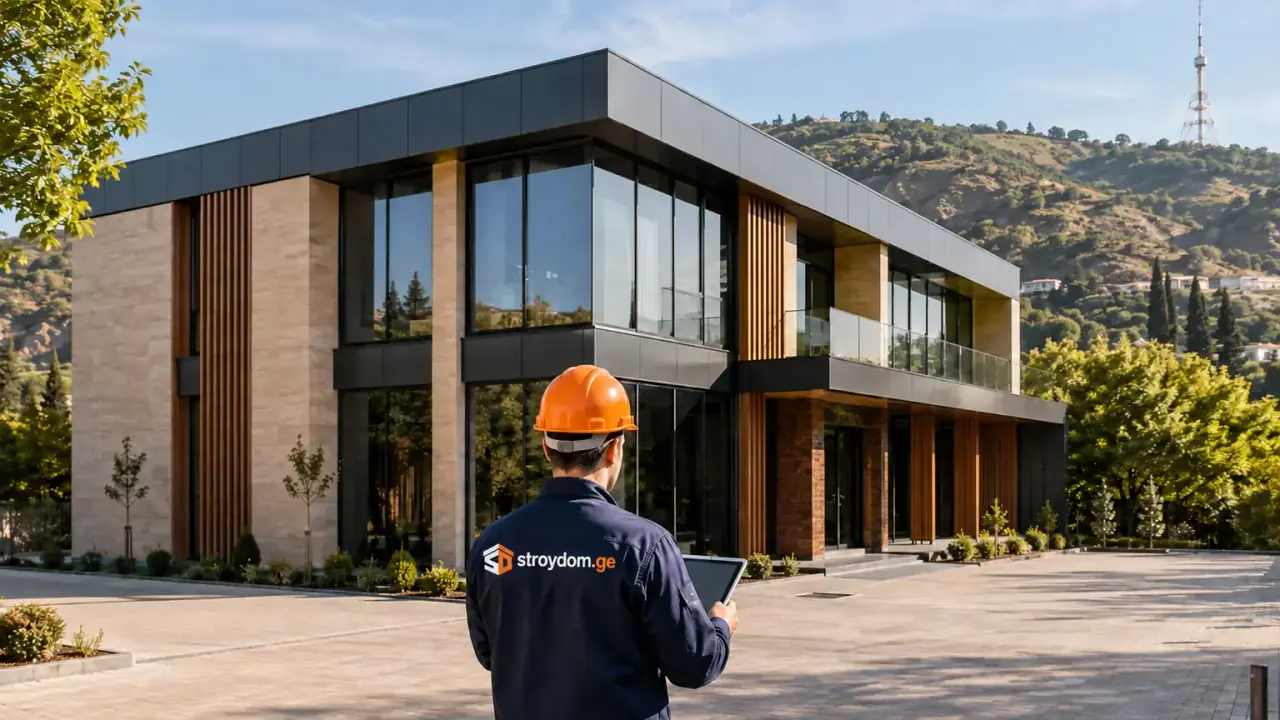
Building a rental cottage in Batumi 400 m from the sea cost the investor 630,000 GEL, or 3,500 GEL/m² for a 180 m² house with an attic floor, four bathrooms, full building services and finishes ready for Booking-standard listings. Construction took 7 months from excavation to the handover act. The house was completed in 2024 and is now operating as a short-term rental. Below: where the money went, why a house by the sea costs more than the same house in Tbilisi, and what the 630,000 GEL did not include.
What does a short-term rental house 400 m from the sea need?
The client is an investor living outside Georgia. The format was set from day one: nightly rental via Booking and similar platforms. Guests change every 2–5 days, check themselves in, and a technician must be able to service the house without opening walls between stays. Those three requirements shaped the project.
- Area: 180 m², one floor plus attic, a guest cottage with several independent bedrooms.
- Four bathrooms: short-term rental income is driven by en-suite bedrooms, not by floor area.
- Low-voltage wiring for guest code locks and Wi-Fi, for self check-in with no host present.
- Inspection hatches at every services node: a technician gets in within 5 minutes without touching the finishes.
- Moisture-resistant finishes that survive dozens of guest turnovers and coastal humidity.
How a rental house is designed and how it differs from a house for your own family is covered on our page on building a rental house in Georgia. This case is those same principles applied on the coast.
What did the 630,000 GEL cover?
One contract for the full cycle: from earthworks to handover at rental standards. Below are the stages with approximate budget shares. Exact line items are part of the client’s contract, so we give ranges; they line up with our standard budgets from a 150, 250 and 350 m² house: three costed budgets, adjusted for the sea.
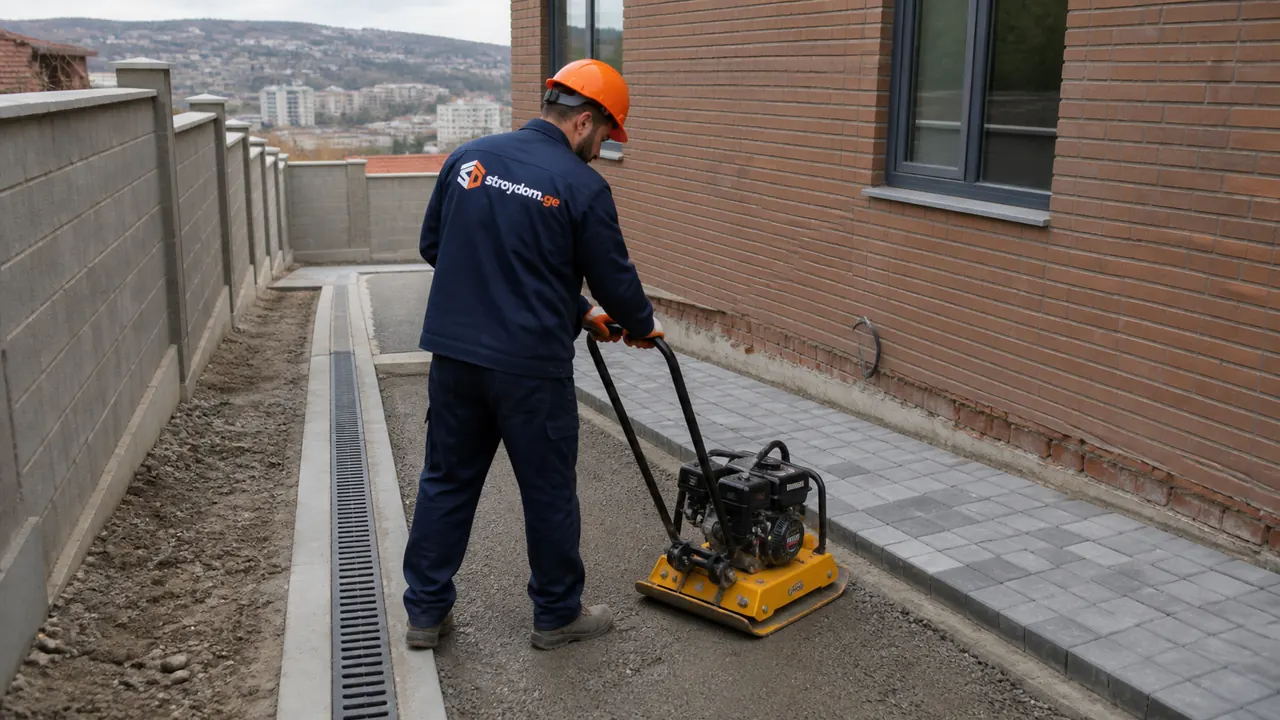
- Groundworks (excavation, monolithic foundation, reinforced waterproofing of the foundation and plinth): roughly 13–16 % of the budget. Higher than for a Tbilisi house because of two-layer waterproofing and drainage.
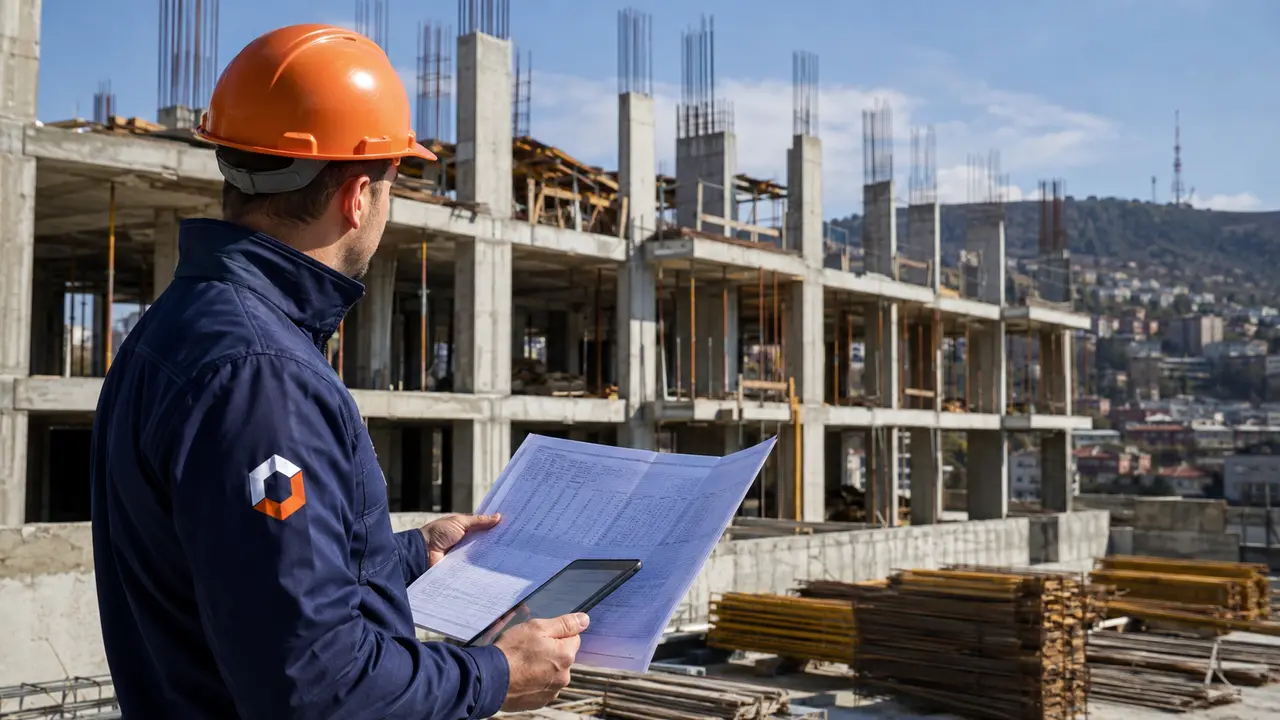
- Monolithic frame and ground-floor walls: 22–26 %.
- Attic floor (rafter system, roof build-up with insulation and vapour barrier, covering, gutters, roof windows): 14–18 %.
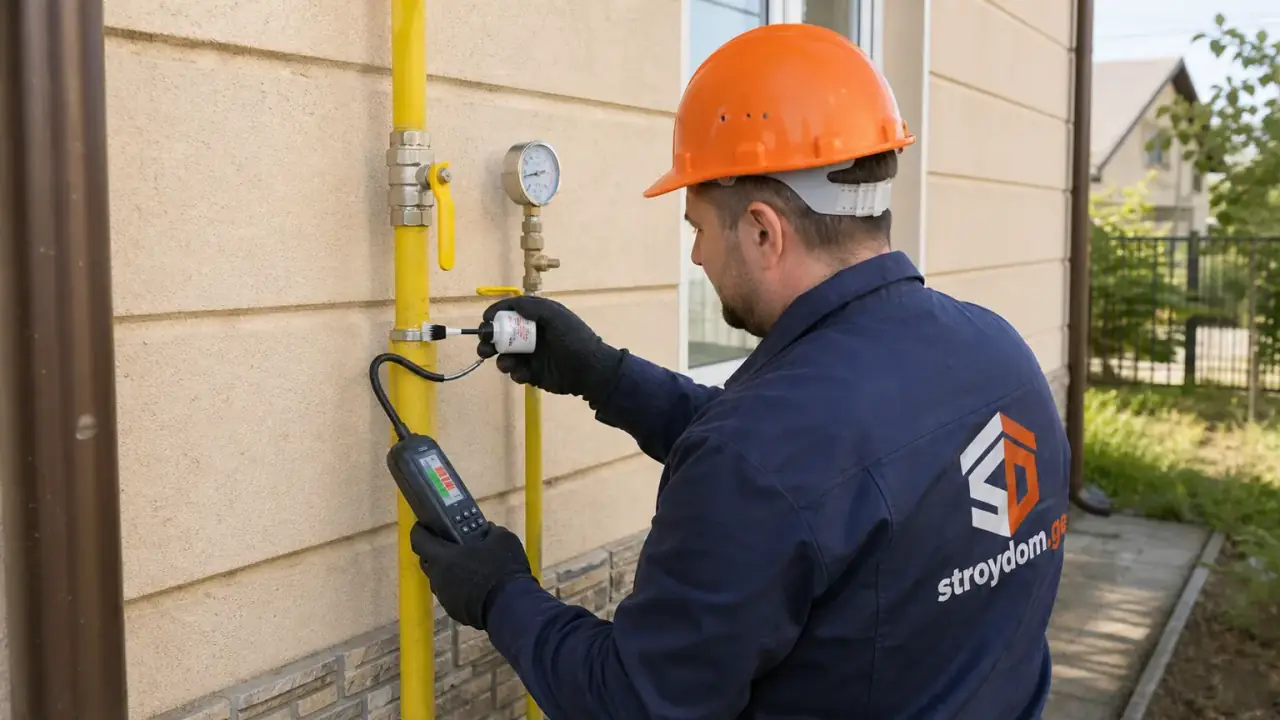
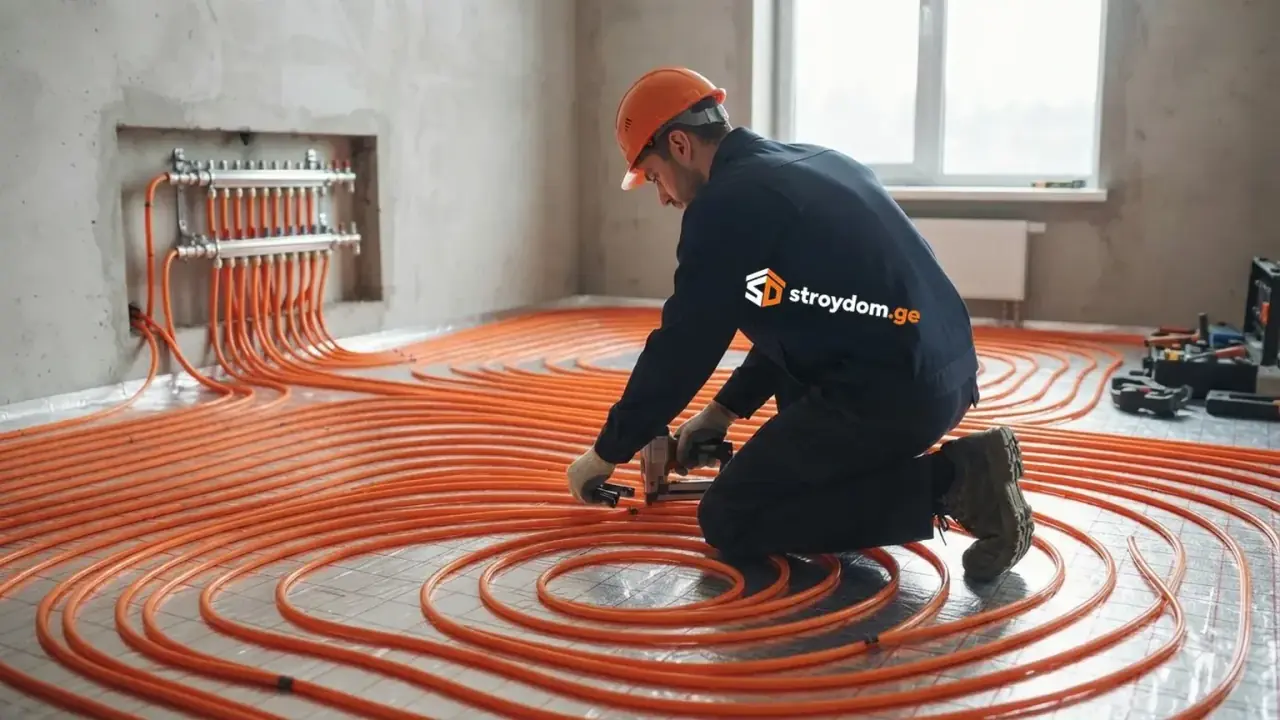
- Building services (electrics sized for an air conditioner in every bedroom, water and drainage for 4 bathrooms, heating, low-voltage wiring): 16–20 %.
- Finishes and facade (moisture-resistant materials, porcelain tile in wet areas, washable paint, facade protected against salt air): 25–30 %.
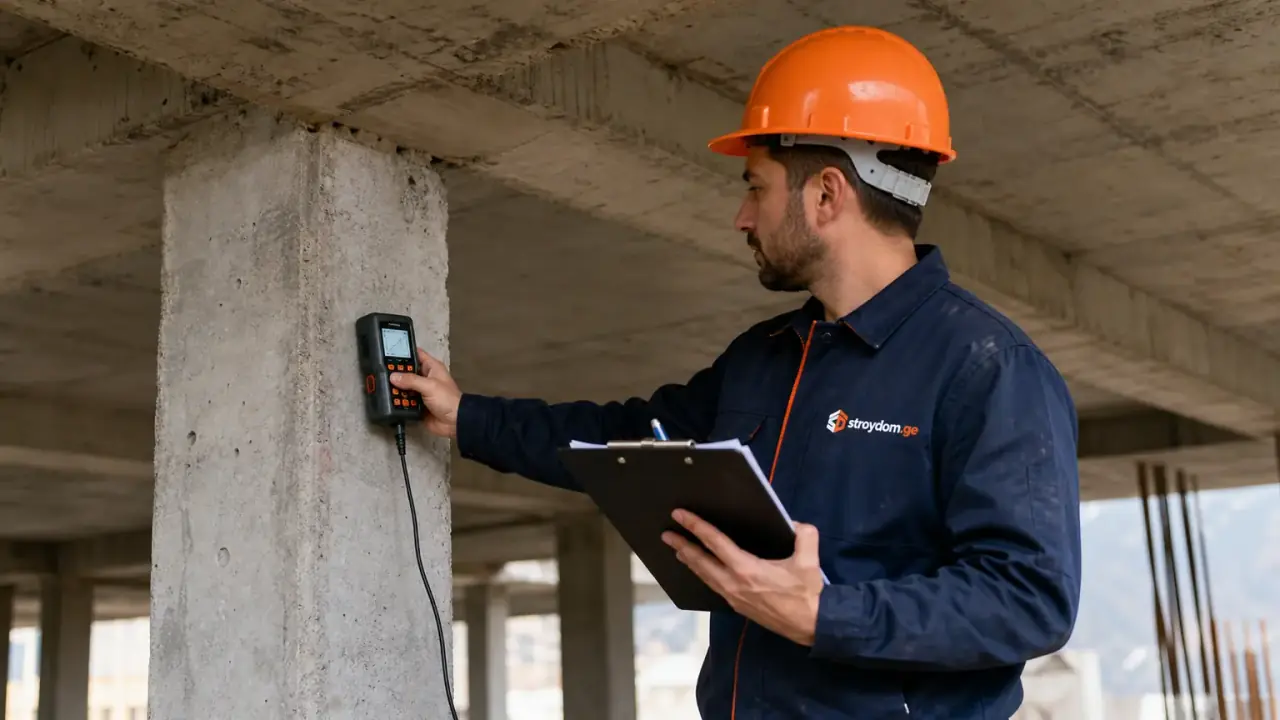
- Inspection hatches, anti-corrosion protection of embedded steel and sign-off acts for hidden works are spread across the stages.
The result is 3,500 GEL/m². That is above our rate for a rental house in Tbilisi (1,400–1,800 GEL/m²) and above the top of the usual turnkey range (1,250–1,550 GEL/m²). The difference comes from three factors: coastal conditions, an attic instead of a full second floor, and the density of services (four bathrooms plus low-voltage wiring on 180 m²). Each is covered below.
How do you protect a house from the sea: waterproofing, fixings, materials?
400 m from the water, a house lives in a different climate from Tbilisi: humidity is higher all year and the wind carries salt. Salt speeds up corrosion of steel several times over; moisture finds any unsealed joint. Build it “the city way” and within two or three seasons you get rust streaks on the facade, damp in the plinth and blistered finishes in the bathrooms. For a rental house that is a direct loss: reviews drop and the property goes into repair in peak season.
- Foundation and plinth: liquid-applied plus sheet waterproofing on the foundation walls and a horizontal damp-proof course above the plinth so moisture cannot rise up the wall. Standard work from our waterproofing service, but in two layers and with perimeter drainage.
- Embedded steel and fixings: every embedded plate, anchor and bracket has anti-corrosion protection; external fixings are stainless or galvanised to a coastal-grade class.
- Roof: flashings and gutters designed for sea storms and wind; trim elements with a protective coating. Layers and prices are on the roofing works page.
- Finishes: porcelain tile over a waterproofing system in all four bathrooms, moisture-resistant boards instead of standard plasterboard, washable paint instead of wallpaper.
- Mechanical extract ventilation in bathrooms and the attic. Without it, condensation in a coastal house is inevitable.
None of these items costs much on its own. Together they make up the coastal premium, which we price from the actual scope rather than as “10 % on average”: it includes materials, extra layers and logistics to Adjara.
What does an attic instead of a second floor save, and what does it limit?
The client chose an attic floor rather than a full second storey. What it gives and what it takes away.
- Savings: no second full monolithic slab and no external walls for a second floor, because the roof works as both wall and roof. Less concrete and masonry, less load on the foundation.
- Limits: part of the area under the slopes has low headroom; attic bedrooms are planned around zones with 2.3 m or more, and the rest goes to wardrobes and equipment.
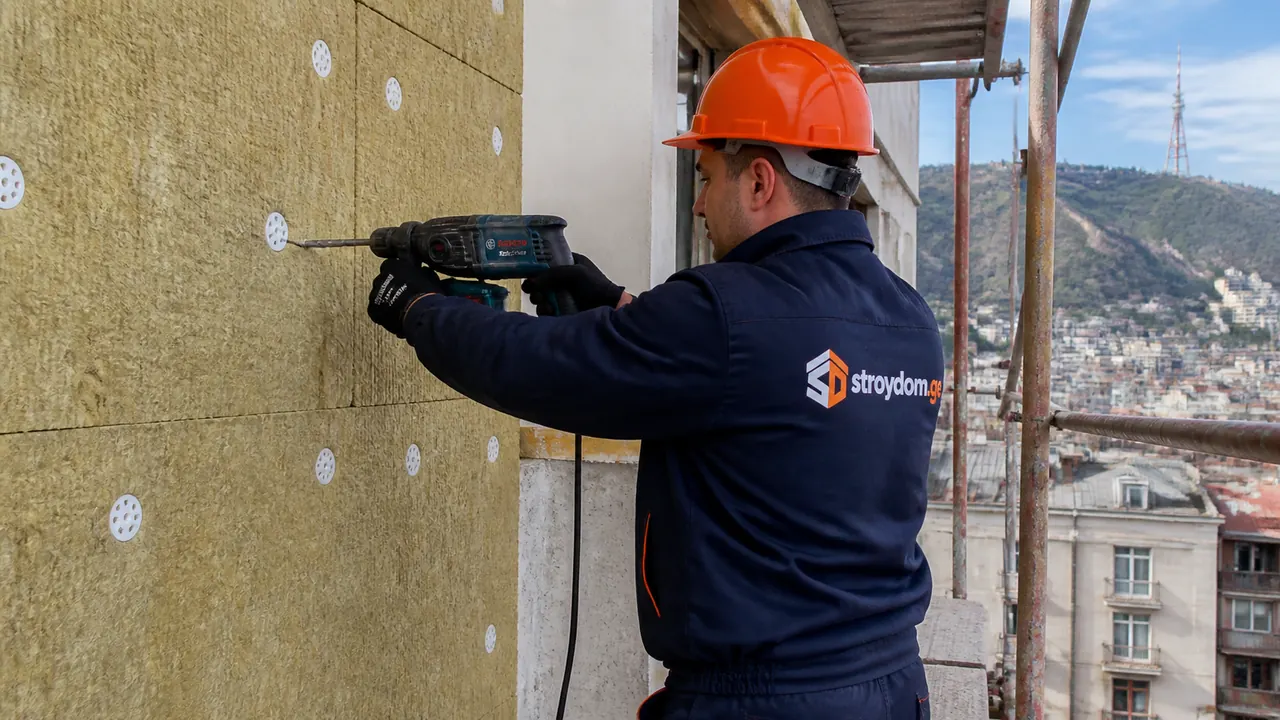
- Insulation and vapour barrier: the attic is the hottest zone in summer and the coldest in winter, so the roof build-up is thicker here and ventilation of the roof space is mandatory.
- Roof windows cost more than ordinary ones and need precise flashings, which makes them one of the items that push up the price per square metre.
One caveat to “an attic is cheaper”: per square metre it is cheaper than a full floor, but not by multiples. For a rental house the decisive point was different: the attic added two more bedrooms with a bathroom, and bedrooms are what drive income in nightly rental.
How did the 7 months split by stage?
The schedule was fixed in the contract with a penalty for missed deadlines. Work started in autumn so that the house would be taking guests by the summer season. The approximate breakdown:
- Month 1: excavation, monolithic foundation, waterproofing and drainage, backfill.
- Months 2–3: monolithic frame, floor slab, ground-floor walls.
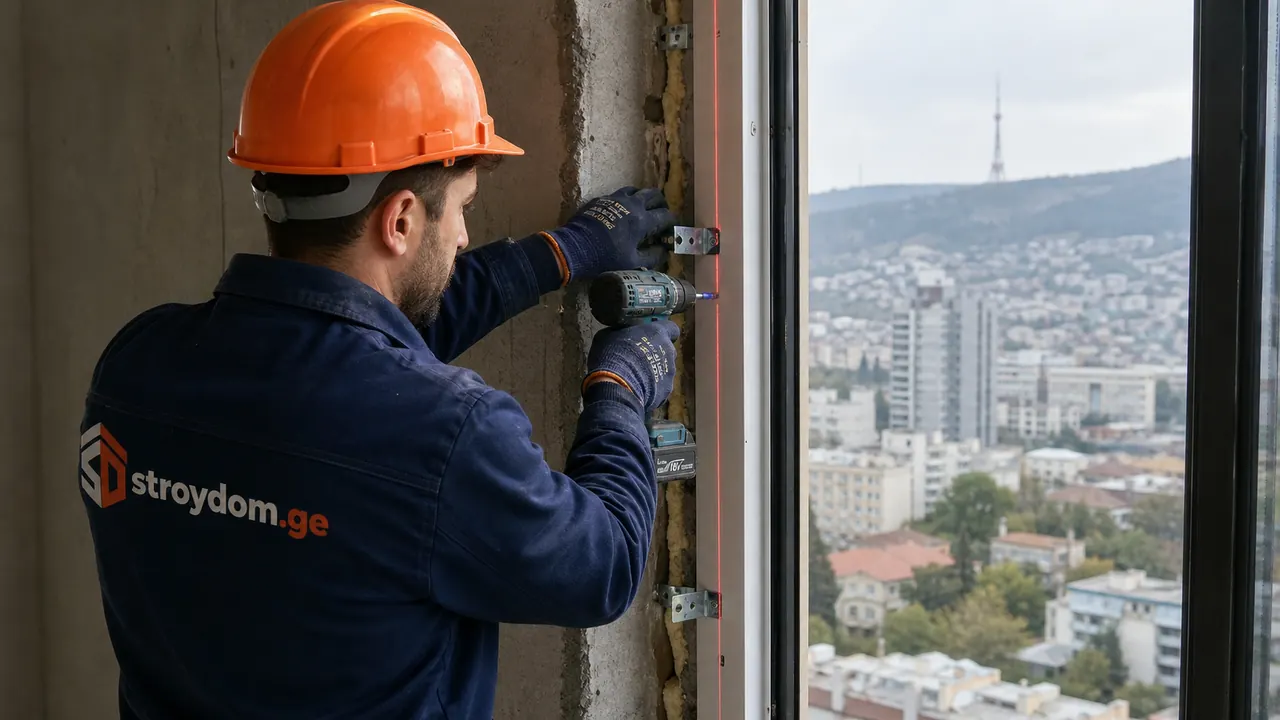
- Month 4: rafters and attic roof, roof windows, ground-floor windows and external doors.
- Month 5: electrics, water and drainage for 4 bathrooms, heating, low-voltage wiring; hidden-works acts.
- Months 6–7: screed, plaster, wet-area waterproofing, tiling, painting, doors, sanitaryware, inspection hatches, facade; cleaning and handover by act.
The client supervised remotely: photo reports at each stage and an act for every hidden node. Payment was staged: an advance of no more than 15%, then against signed-off acts. The structural warranty is 10 years.
What was not in the budget?
So that the 630,000 GEL figure does not mislead, here is what the investor paid for separately:
- The plot: purchase, registration, geology and topographic survey were handled before the construction contract.
- Utility connections (electricity, water, sewerage): at the providers’ tariffs and on their timelines.
- Furniture, appliances, textiles: fitting out a nightly-rental property usually runs 350–700 GEL/m², a separate line that investors forget most often.
- Rental equipment: the code locks, routers and TVs themselves. We prepared the wiring and outlets, the client bought the devices.
- Listing on platforms, photography and rental management were outside our contract.
The full cost of entry into a property like this, including the plot and fit-out, is well above 630,000 GEL, and yield must be calculated on the full amount. How to do that honestly (gross versus net yield, coastal seasonality, off-season vacancy) is on our page on property yield in Georgia. We do not promise percentages: we quote rates for comparable properties at the time of the calculation.
What would the same cottage in Batumi cost today?
For a coastal house of 150–200 m² with an attic, four bathrooms and rental-grade finishes, expect the same order of magnitude as in this case, refined for the plot and the year. A simpler house (one family layout, two bathrooms, no attic) fits the usual 1,250–1,550 GEL/m² rate plus the coastal premium. We give an exact figure after a site visit.
Can any plot be done in 7 months?
Seven months is the timeline for a flat plot with a finished design and permit in hand. A slope, weak soils near the water or a high water table add 1–2 months to the groundworks. Approval timelines before the start are not part of those 7 months.
Why is a house by the sea more expensive than in Tbilisi?
Three reasons: reinforced waterproofing and drainage, anti-corrosion fixings and embedded steel, and moisture-resistant finishing materials. Plus logistics of materials to Adjara. Saving on any of these comes back as repairs within two or three seasons, and on a rental property that costs more than doing it right from the start.
Attic or full second floor for a rental?
If the plot and permit allow a full floor but the budget does not, an attic adds bedrooms at lower cost. If you need maximum area with normal ceiling height in every room, go for a second floor. We cost both options at the sketch stage.
Planning your own cottage by the sea?
We build rental houses in Batumi and Tbilisi as a full cycle within our turnkey general construction works, with a fixed budget in GEL, an advance of no more than 15% and a warranty of up to 10 years. Other completed houses are in our projects section. Get in touch: describe the plot, the rental format and the target area, and within a few days you will have a budget estimate and a schedule.
Need an estimate for your project?
Send a request — we will prepare an estimate and answer your questions.